
STS-65 Fact Sheet
By Cliff Lethbridge
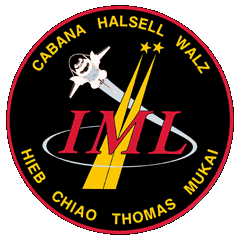
STS-65 — Columbia
63rd Space Shuttle Mission
17th Flight of Columbia
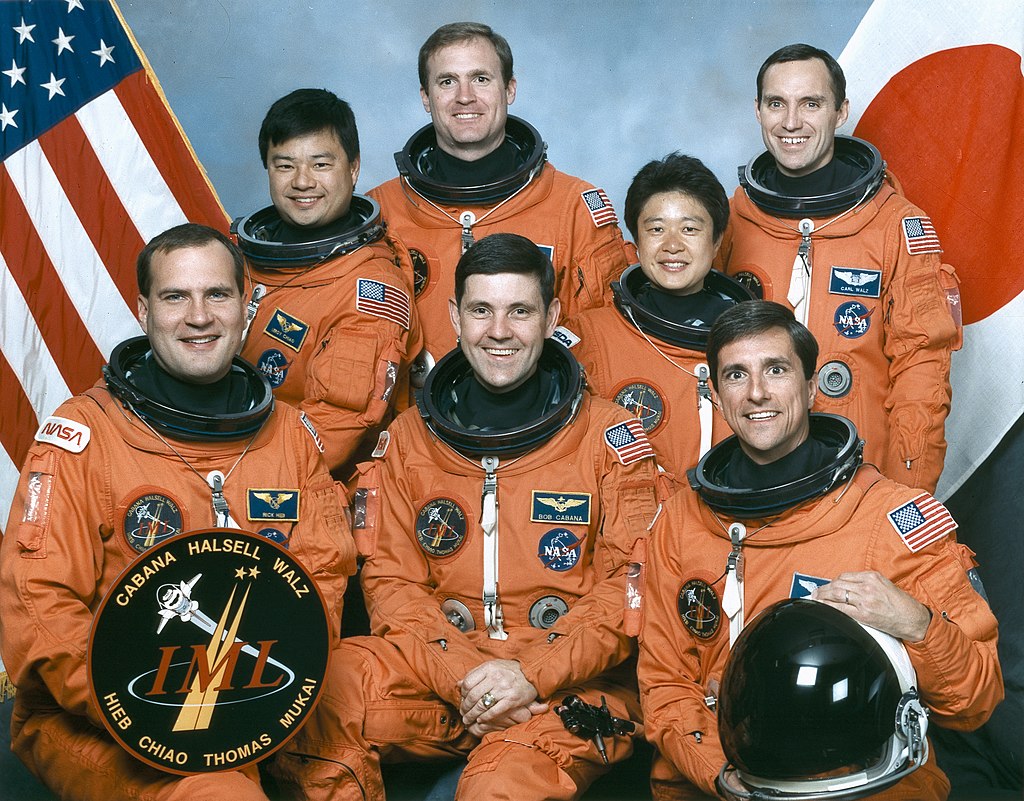
Crew:
Robert D. Cabana, Commander
James D. Halsell, Jr., Pilot
Richard J. Hieb, Payload Commander
Donald A. Thomas, Science Mission Specialist
Carl E. Walz, Mission Specialist
Leroy Chiao, Mission Specialist
Chiaki Naito-Mukai, Payload Specialist
Orbiter Preparations:
Tow to Orbiter Processing Facility – March 18, 1994
Rollover to Vehicle Assembly Building – June 8, 1994
Rollout to Launch Pad 39A – June 15, 1994
Launch:
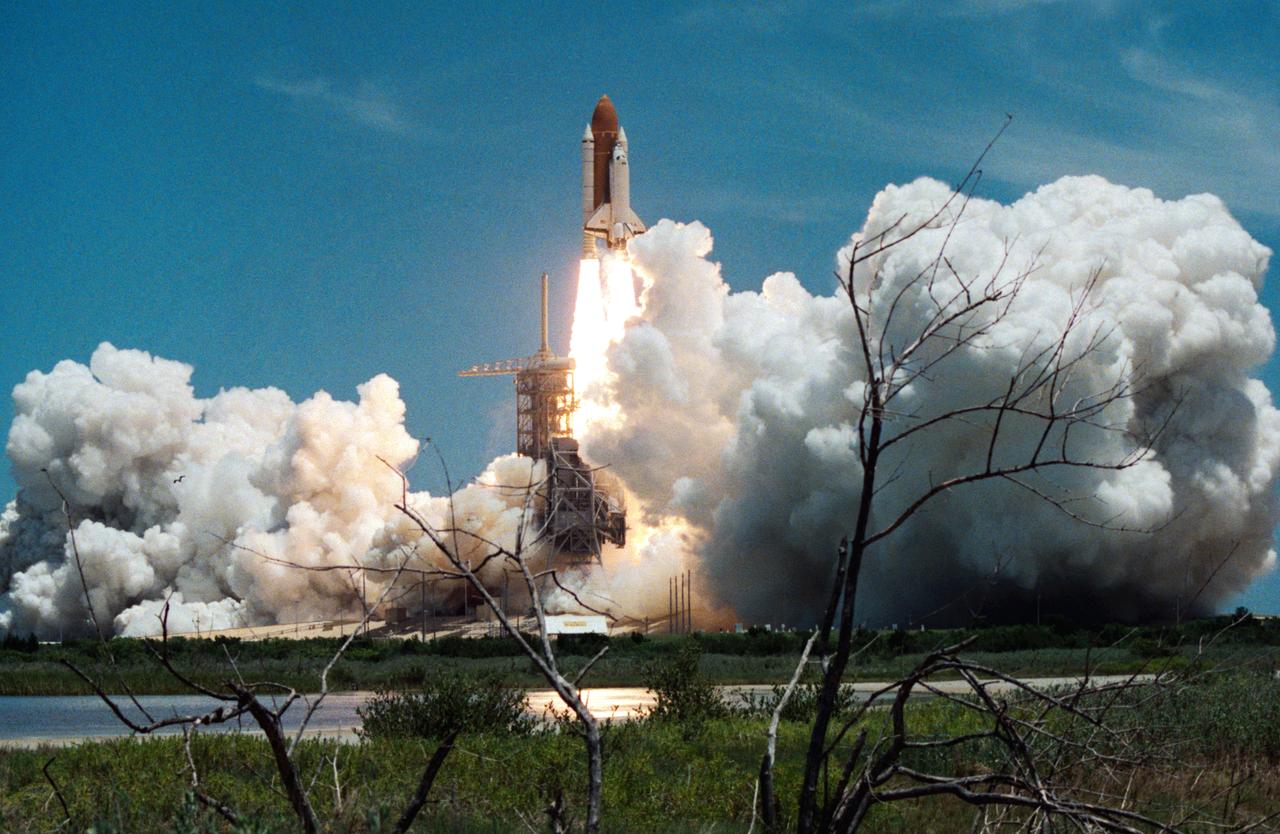
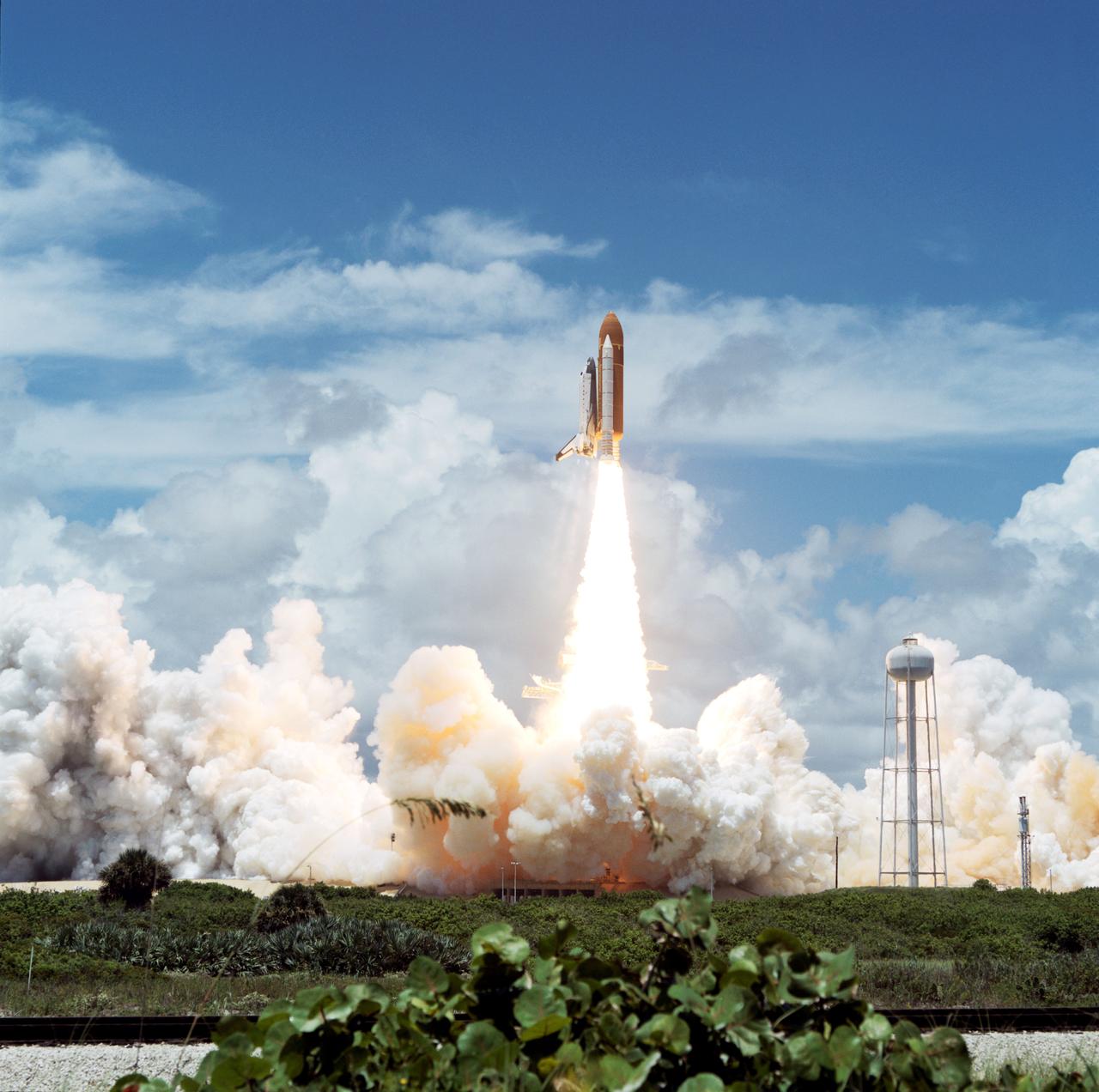
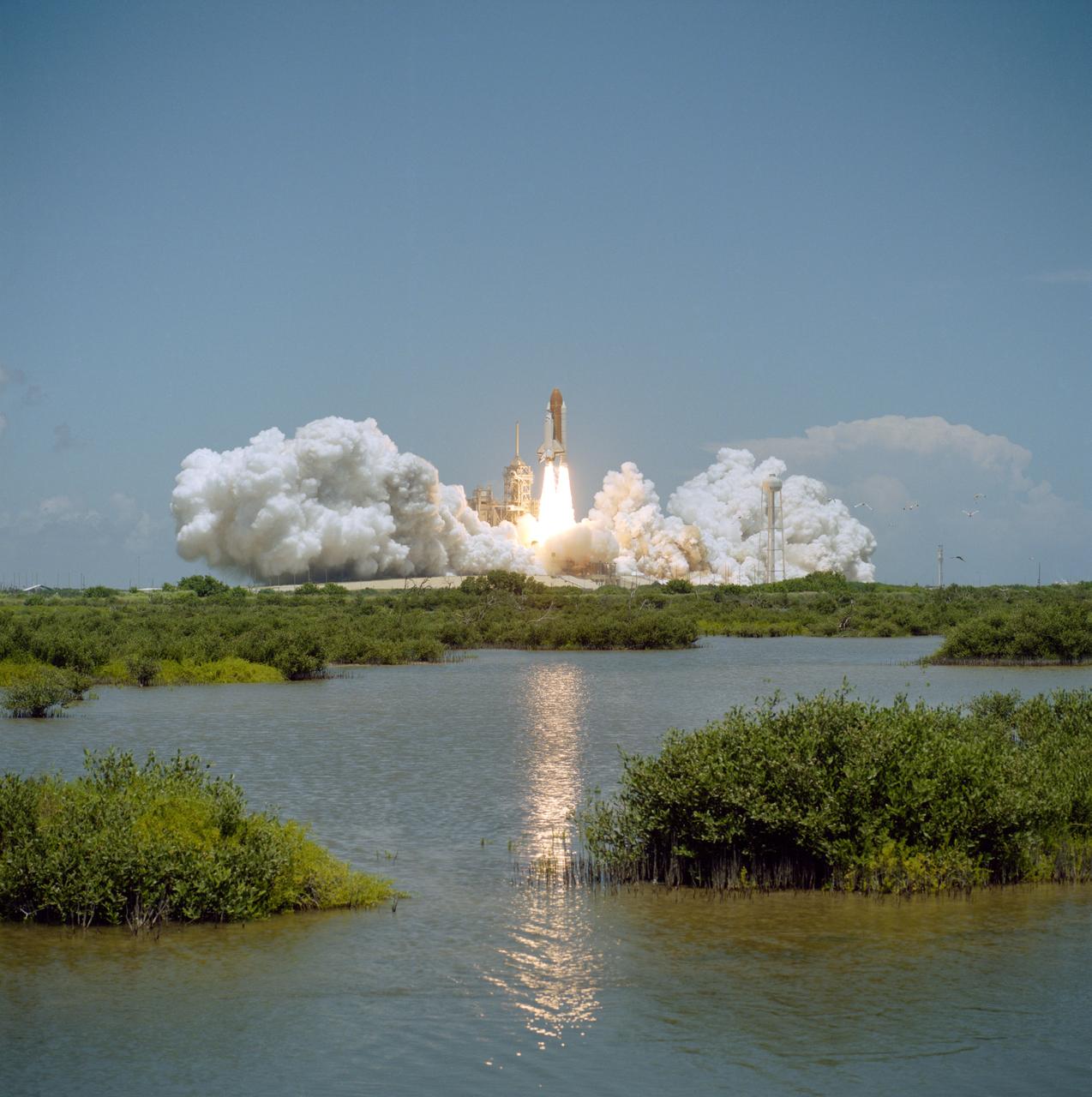
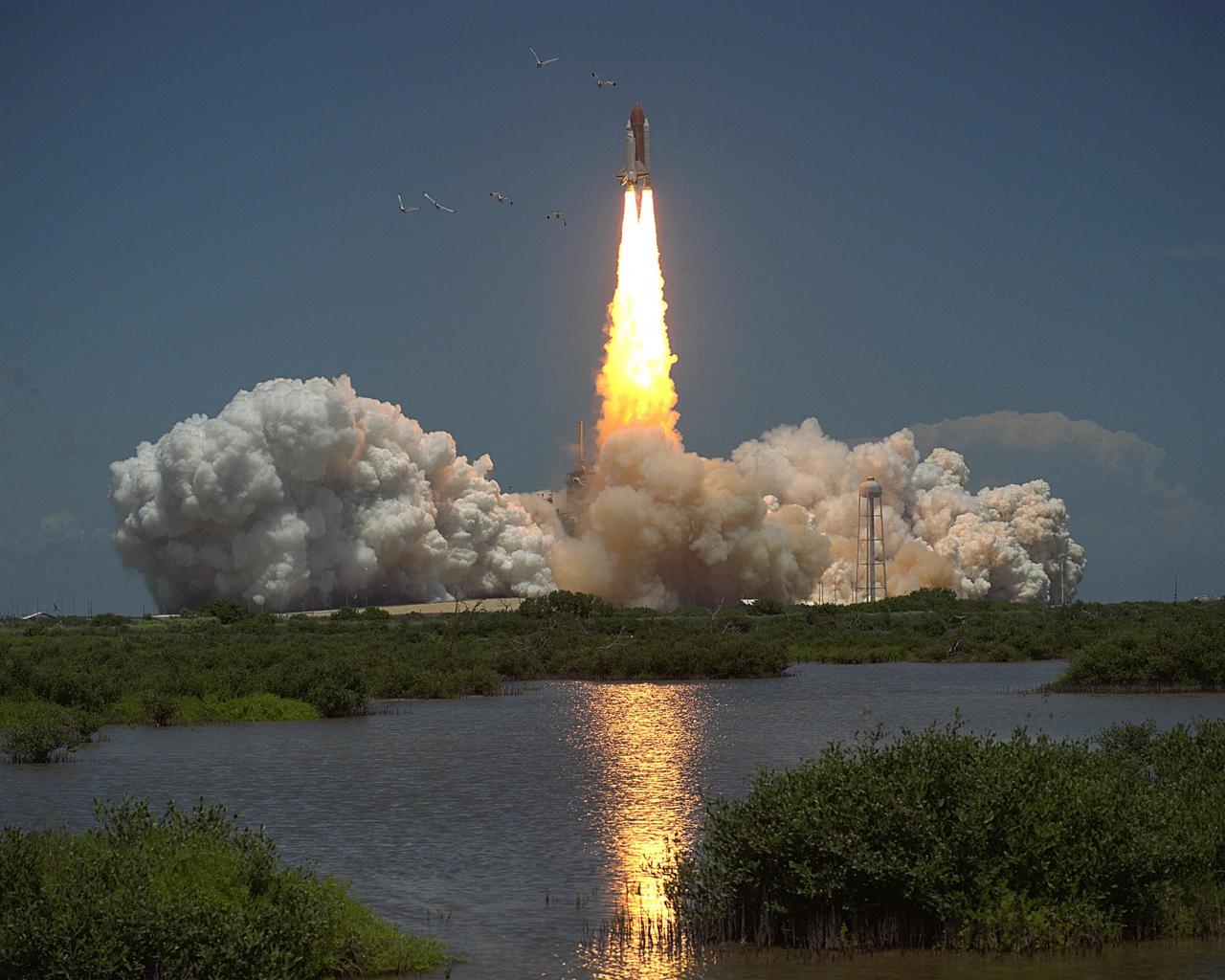
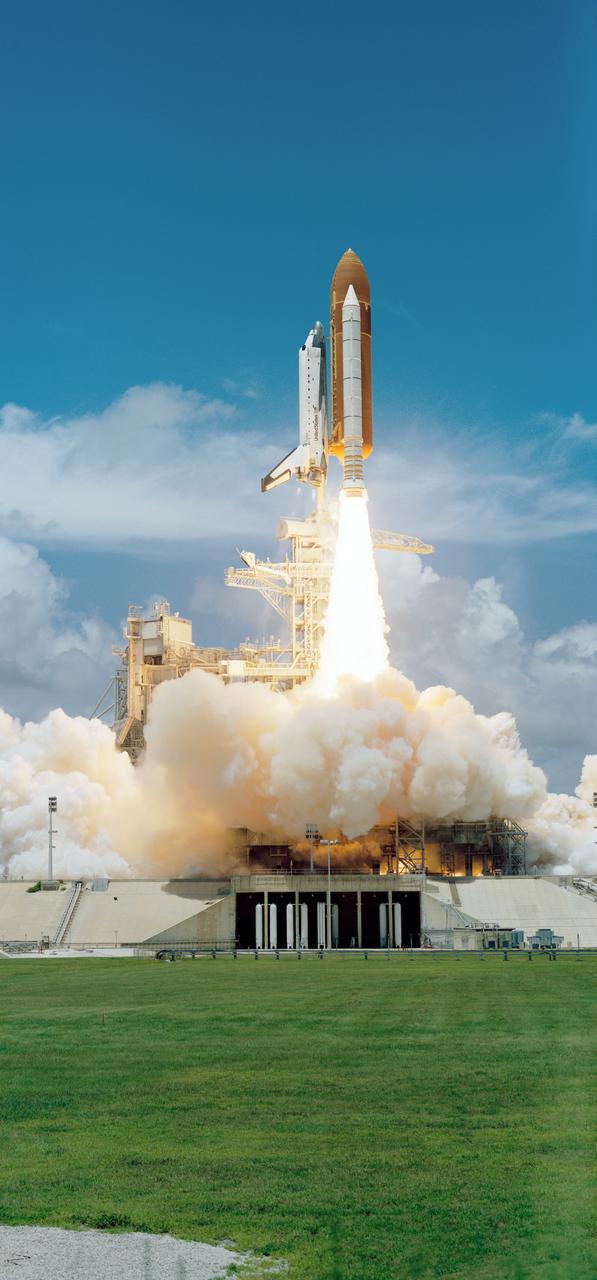
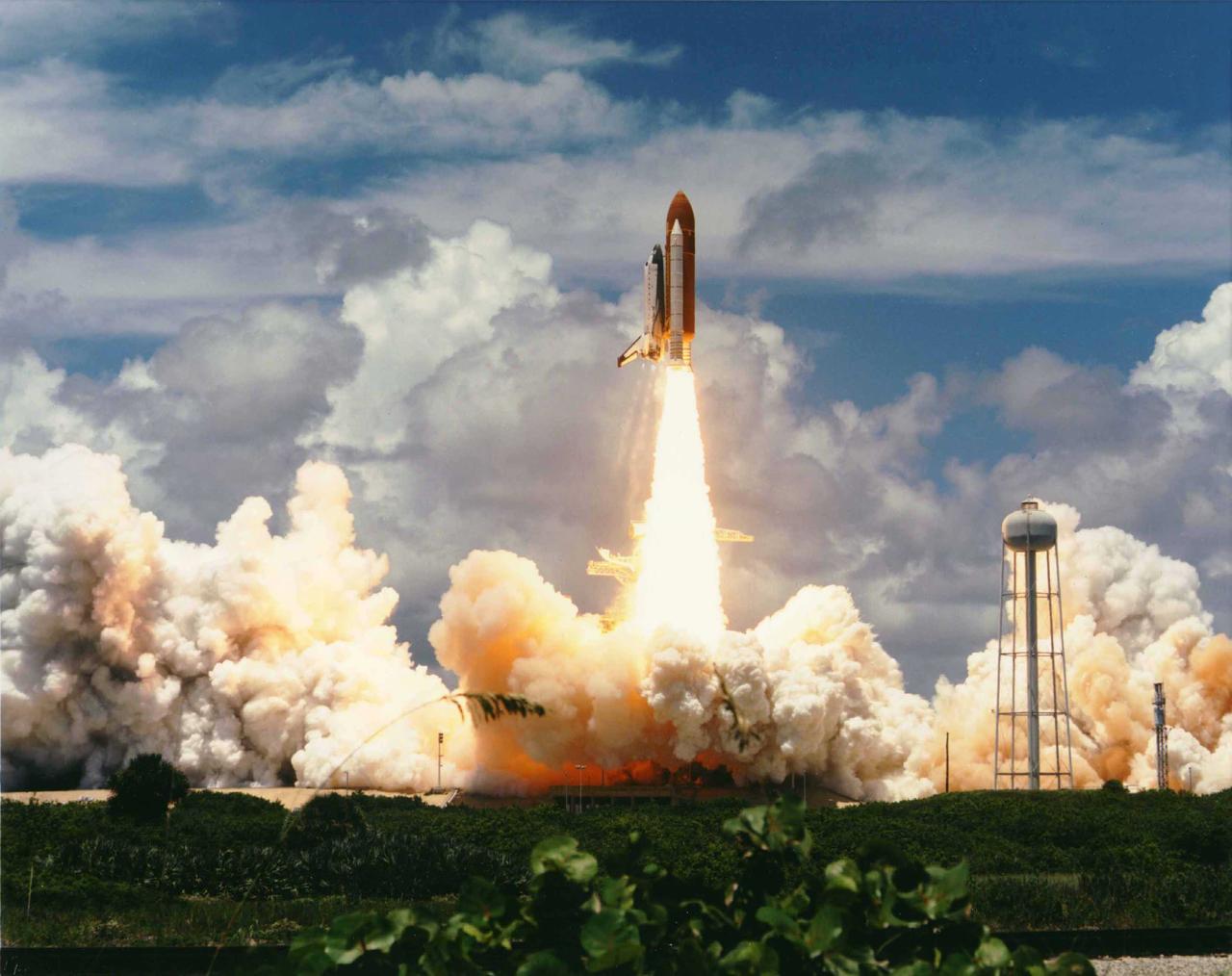
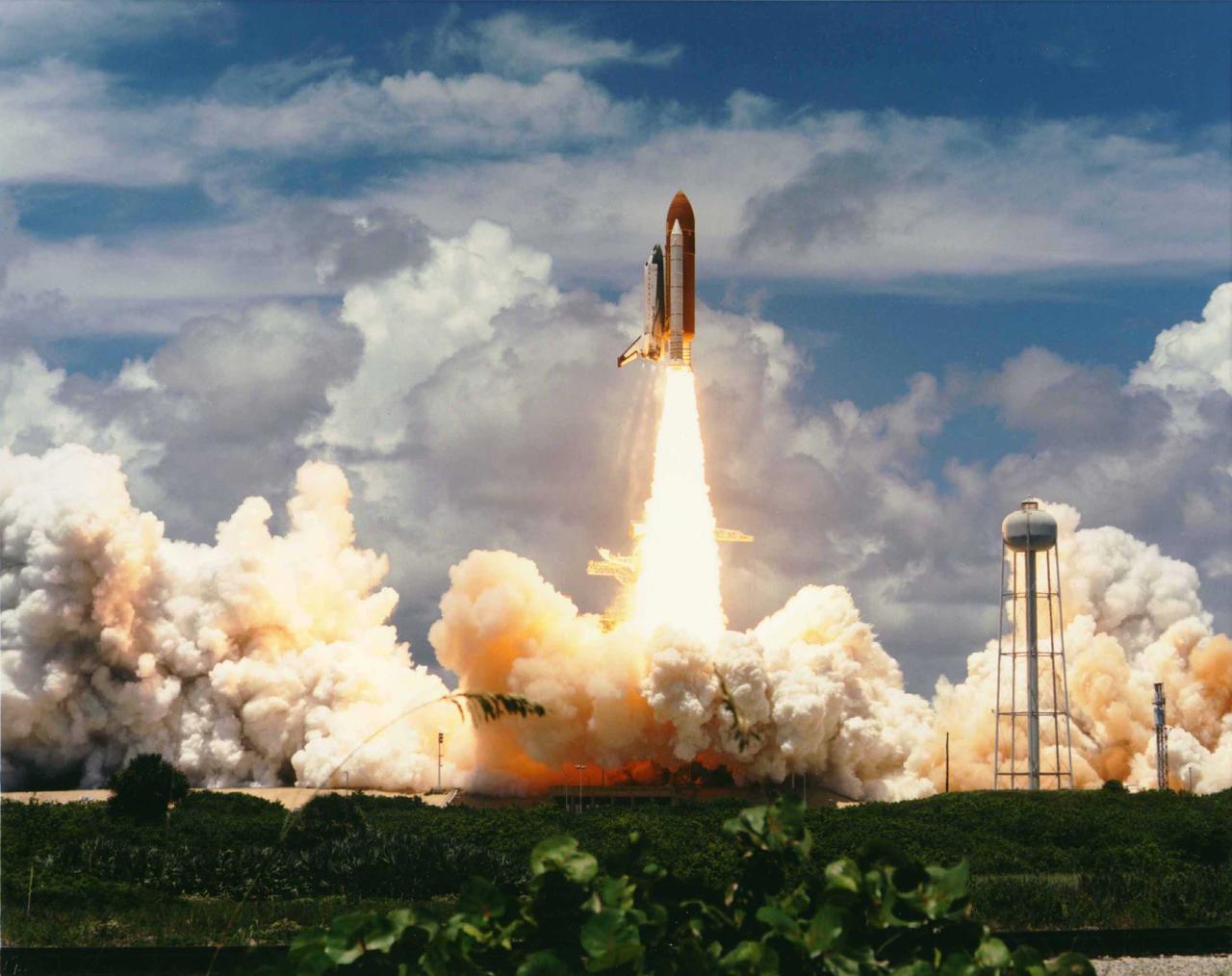
July 8, 1994 – 12:43:00 p.m. EDT. Launch occurred as scheduled with no delays.
Landing:
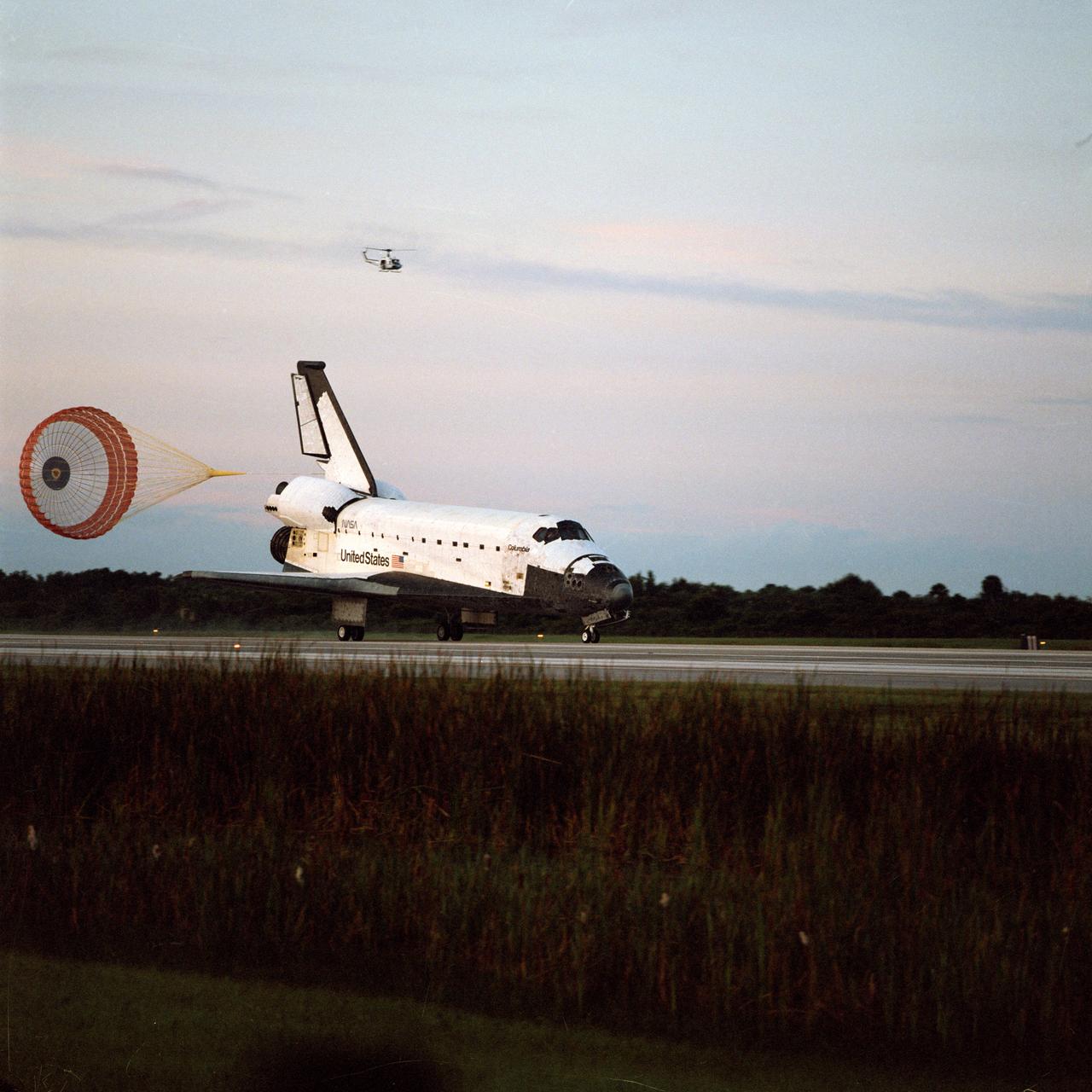
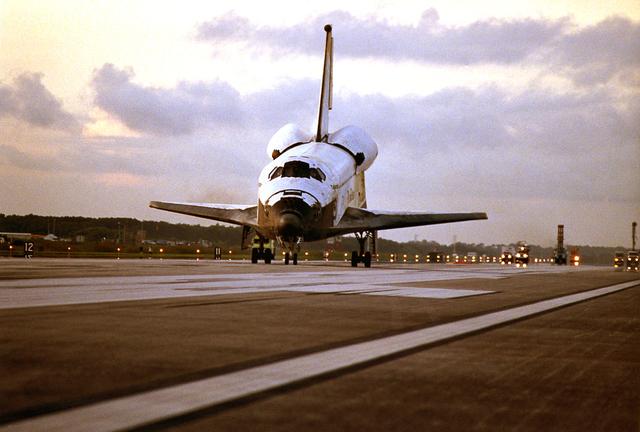
July 23, 1994 – 6:38:01 a.m. EDT at Runway 33, Kennedy Space Center. Rollout distance was 10,211 feet. Rollout time was 68 seconds. Mission duration was 14 days, 17 hours, 55 minutes, 1 second. Landing occurred during the 236th orbit.
Mission Summary:
Astronaut Chiaki Naito-Mukai became the first Japanese woman to fly in space.
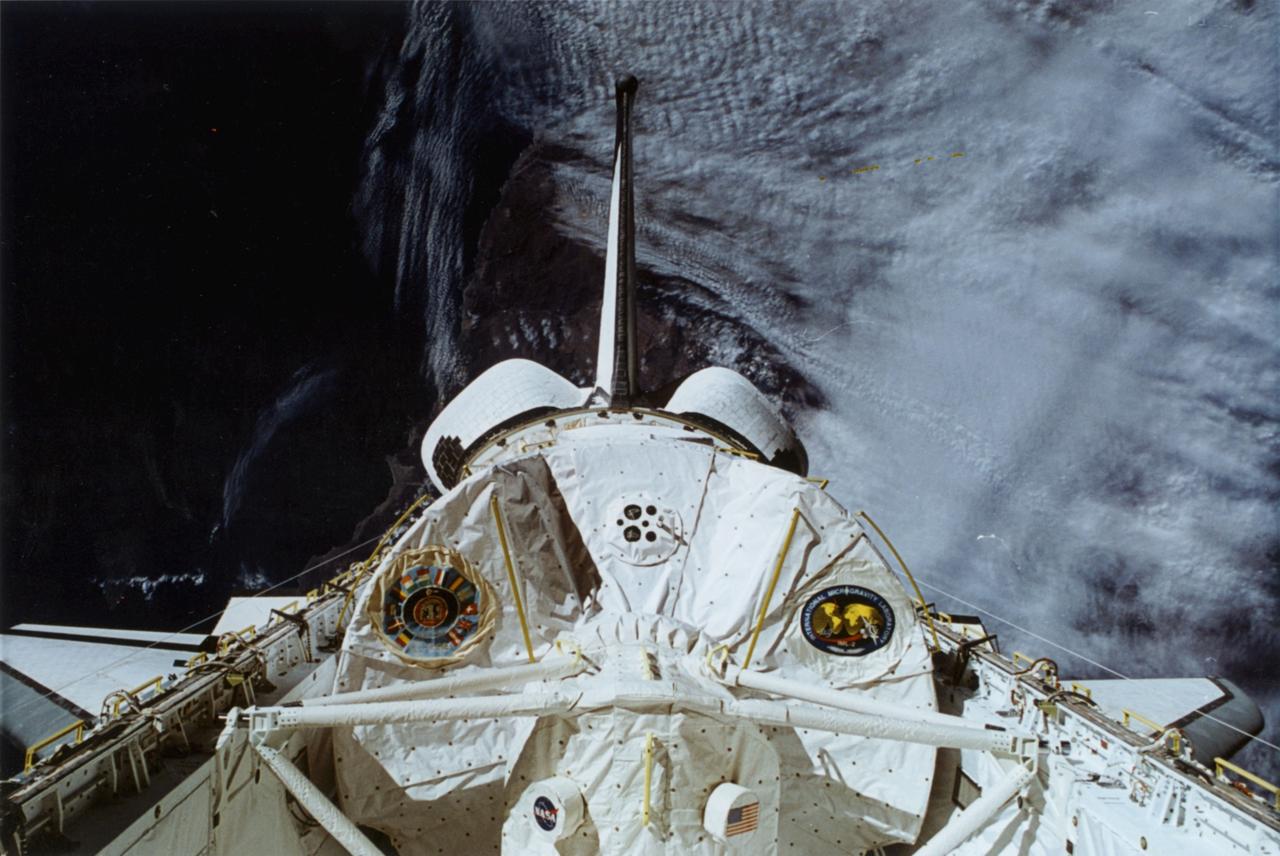
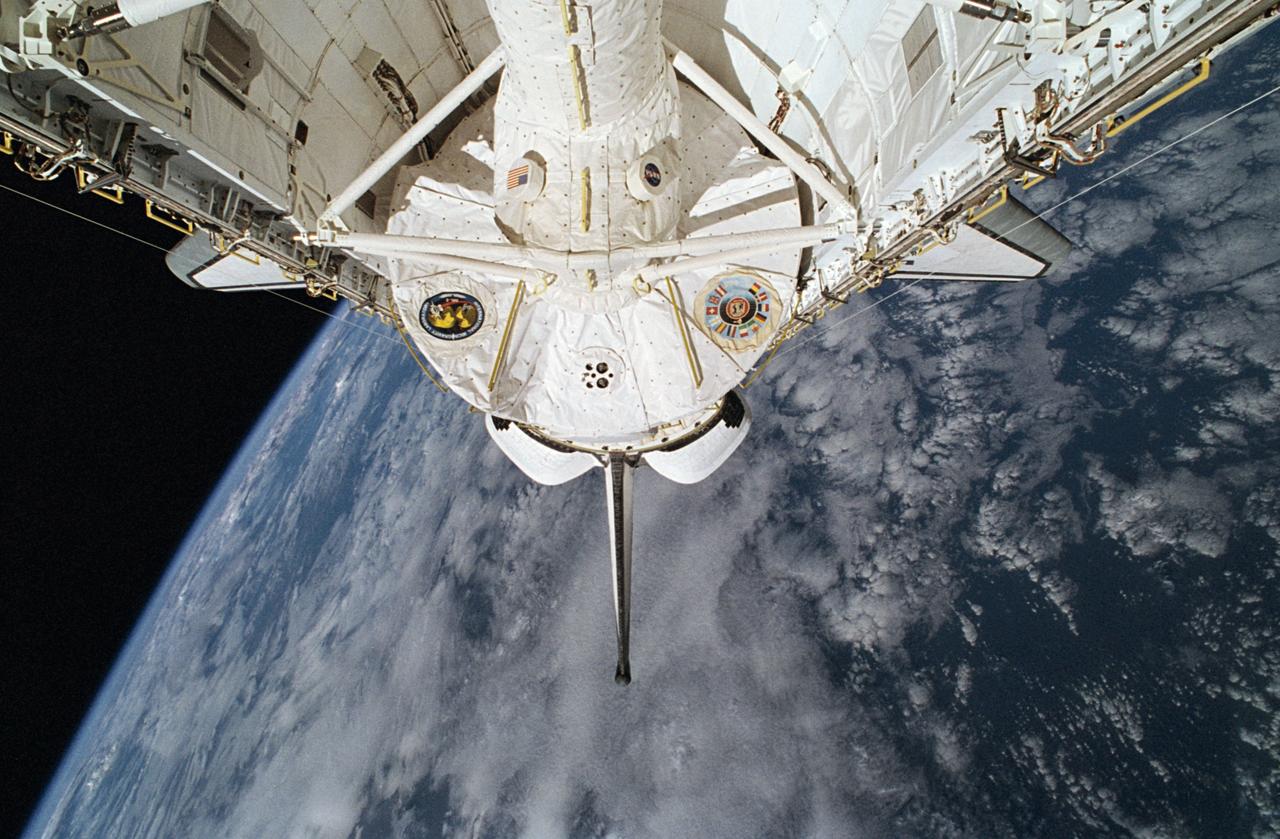
This was the second flight of the International Microgravity Laboratory (IML-2). Nearly 80 experiments representing over 200 scientists from six space agencies were located in the pressurized Spacelab module in the payload bay.
50 experiments focused on life sciences, while about 30 were related to materials processing. Experiments were conducted using bacteria, mammalian and human cells, isolated tissues and eggs, sea urchin larvae, fruit flies and plant seedlings.
In addition to IML-2 investigations, payloads included Orbital Acceleration Research Experiment (OARE), Commercial Protein Crystal Growth (CPCG), Military Application of Ship Tracks (MAST), Shuttle Amateur Radio Experiment (SAREX) and Air Force Maui Optical Site (AMOS) calibration tests.
The crew took time during the mission to honor the 25th anniversary of Apollo 11, noting that it also involved a spacecraft named Columbia. Spikes experienced in Inertial Measurement Unit-1 (IMU-1) did not adversely affect the mission.
SELECTED NASA PHOTOS FROM STS-65