STS-60 Fact Sheet
By Cliff Lethbridge
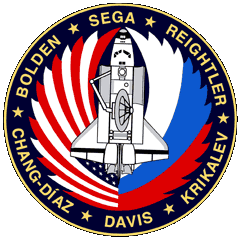
STS-60 — Discovery
60th Space Shuttle Mission
18th Flight of Discovery
Crew:
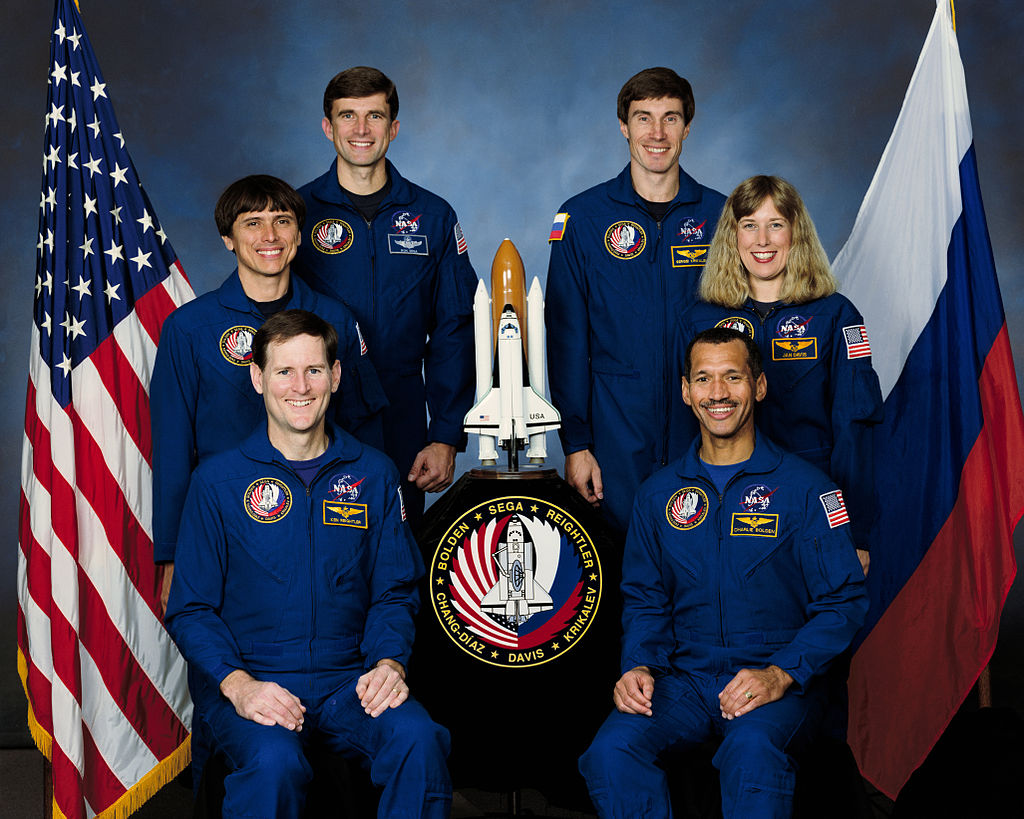
Charles F. Bolden, Jr., Commander
Kenneth F. Reightler, Jr., Pilot
Franklin R. Chang-Diaz, Payload Commander
N. Jan Davis, Mission Specialist
Ronald M. Sega, Mission Specialist
Sergei K. Krikalev, Mission Specialist
Orbiter Preparations:
Tow to Orbiter Processing Facility – September 22, 1993
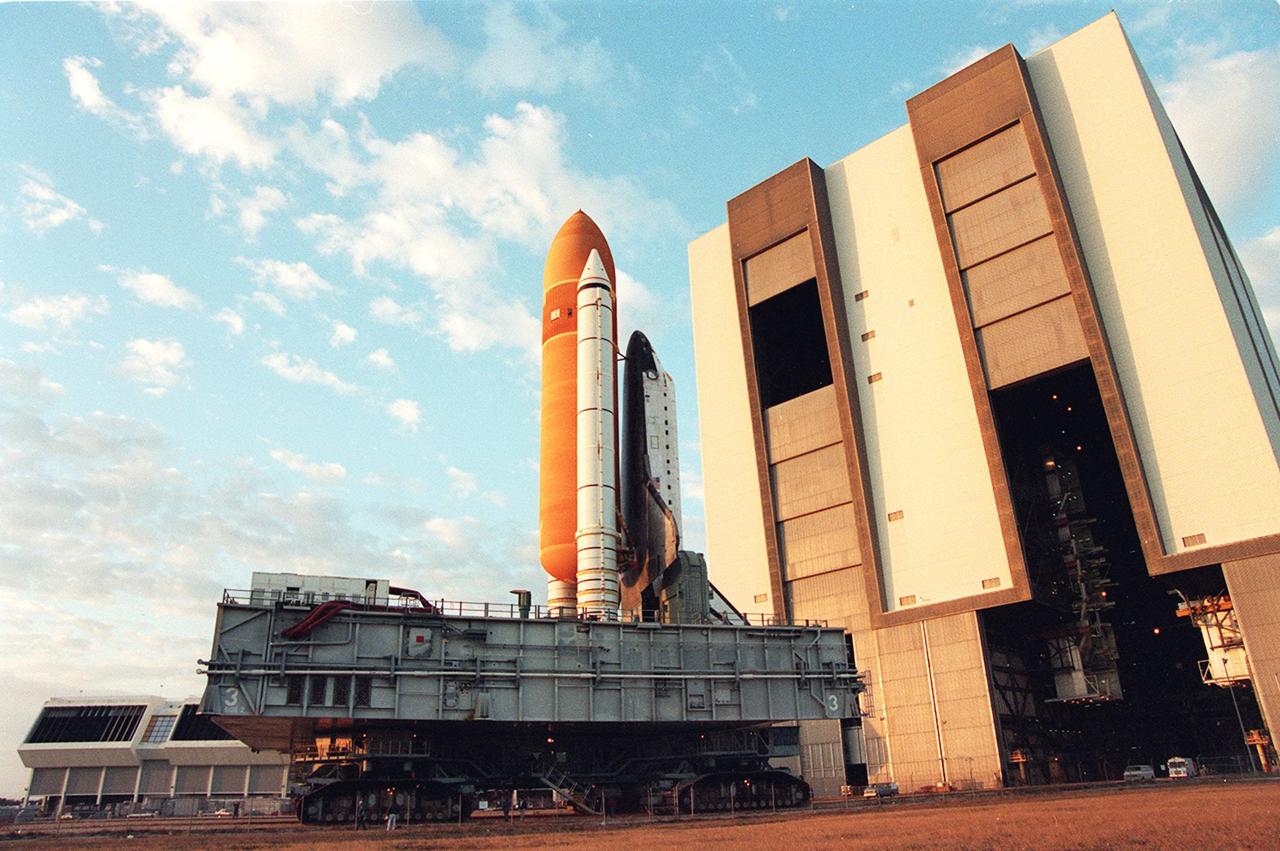
Rollover to Vehicle Assembly Building – January 4, 1994
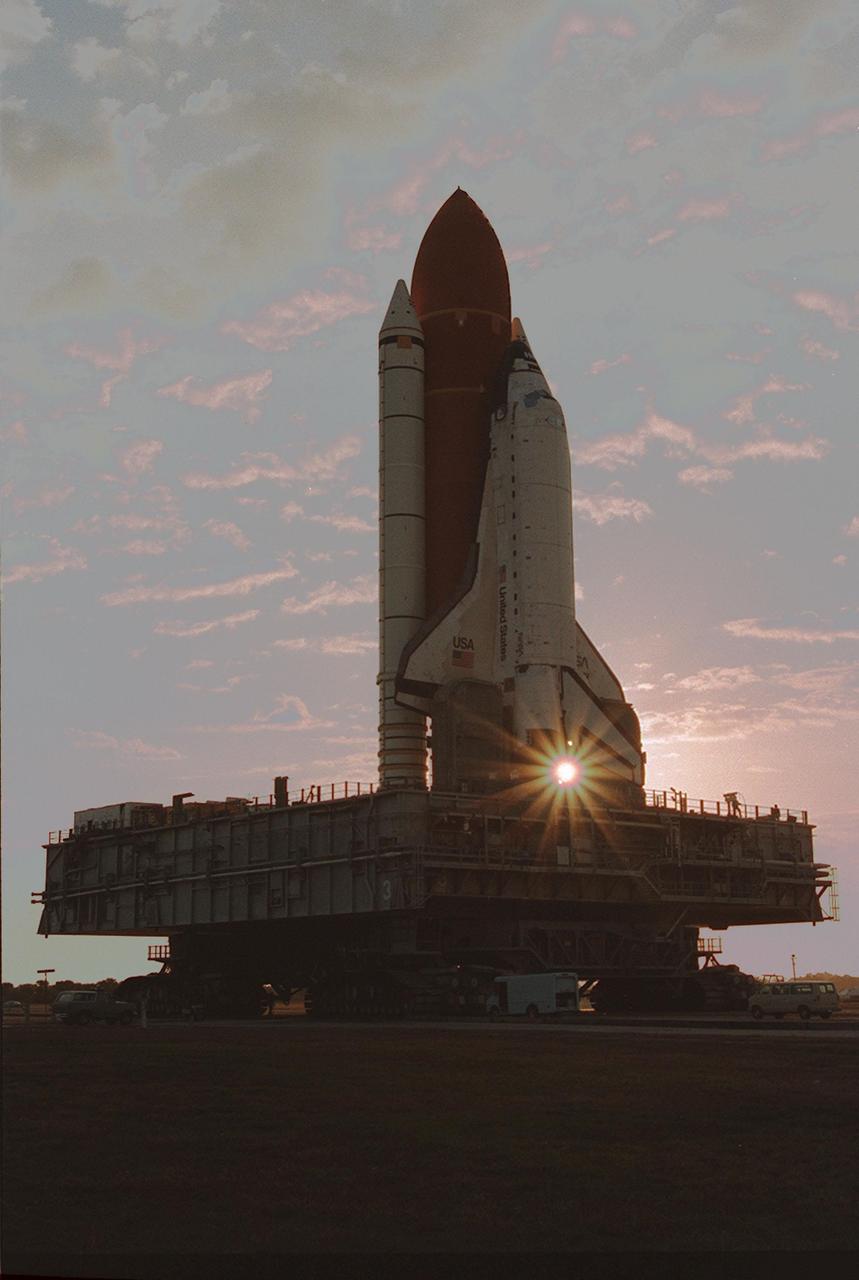
Rollout to Launch Pad 39A – January 10, 1994
Launch:
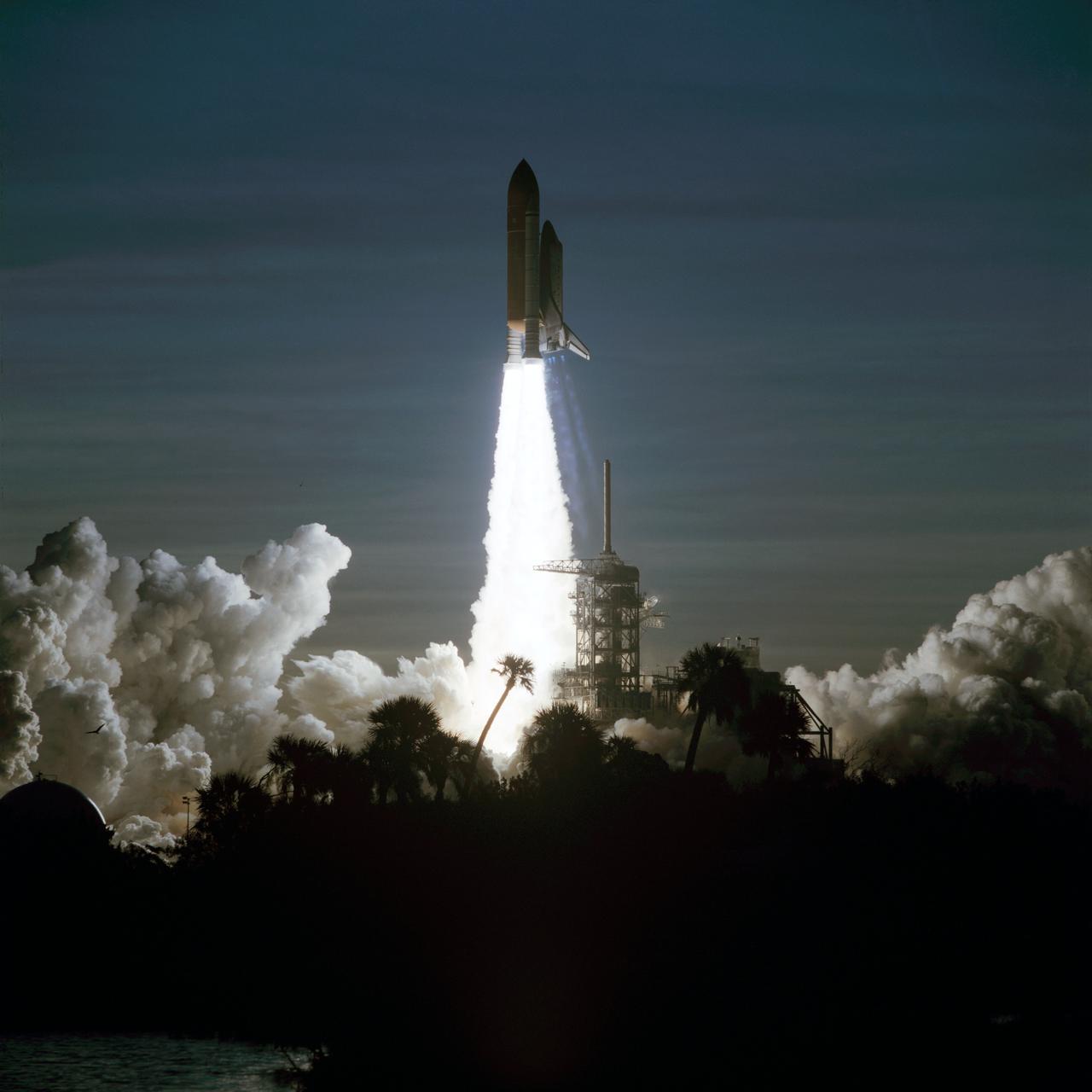
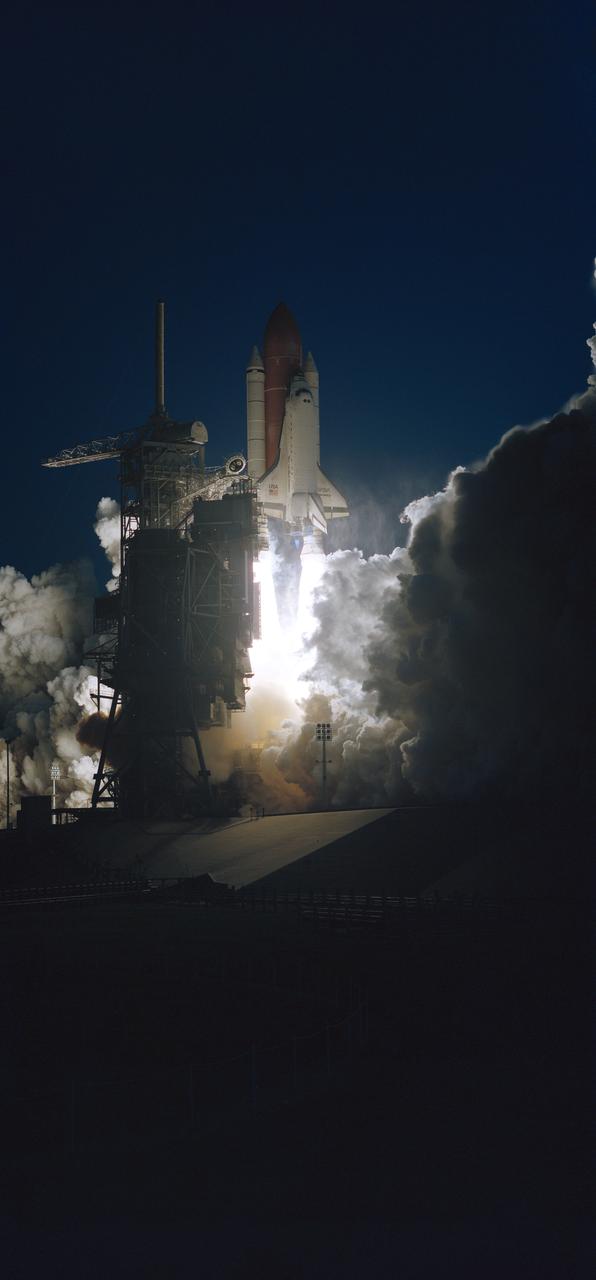
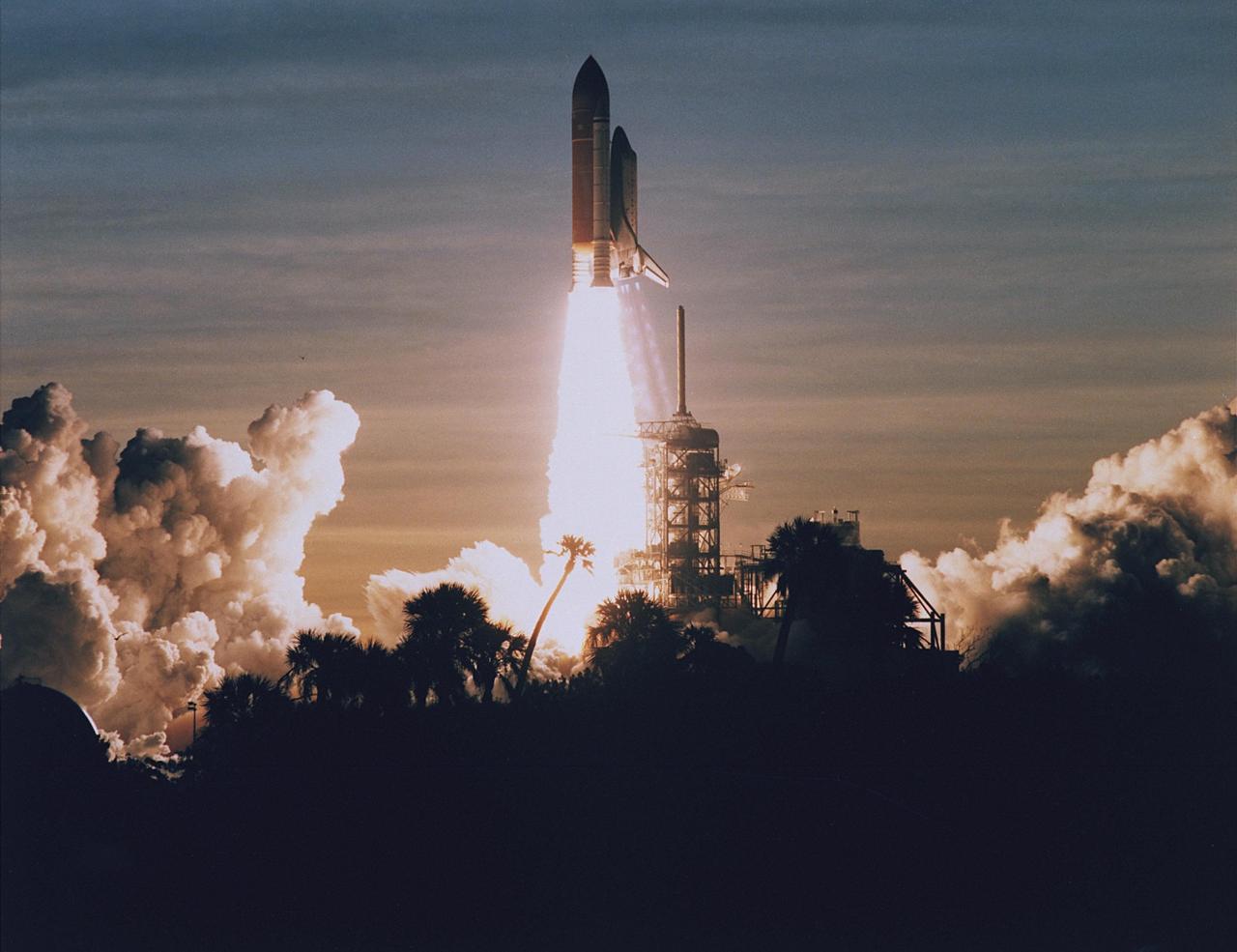
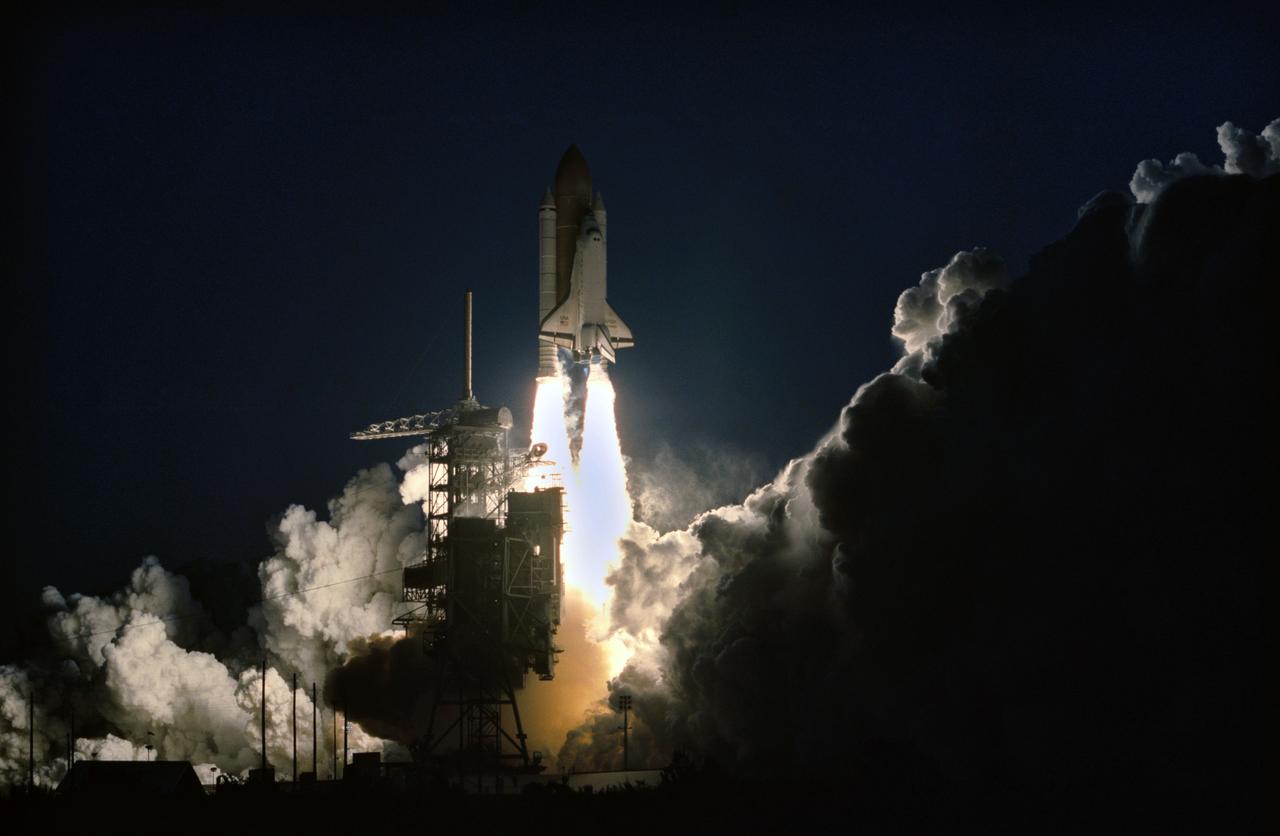
February 3, 1994 – 7:10:00 a.m. EST. Launch occurred as scheduled with no delays.
Landing:
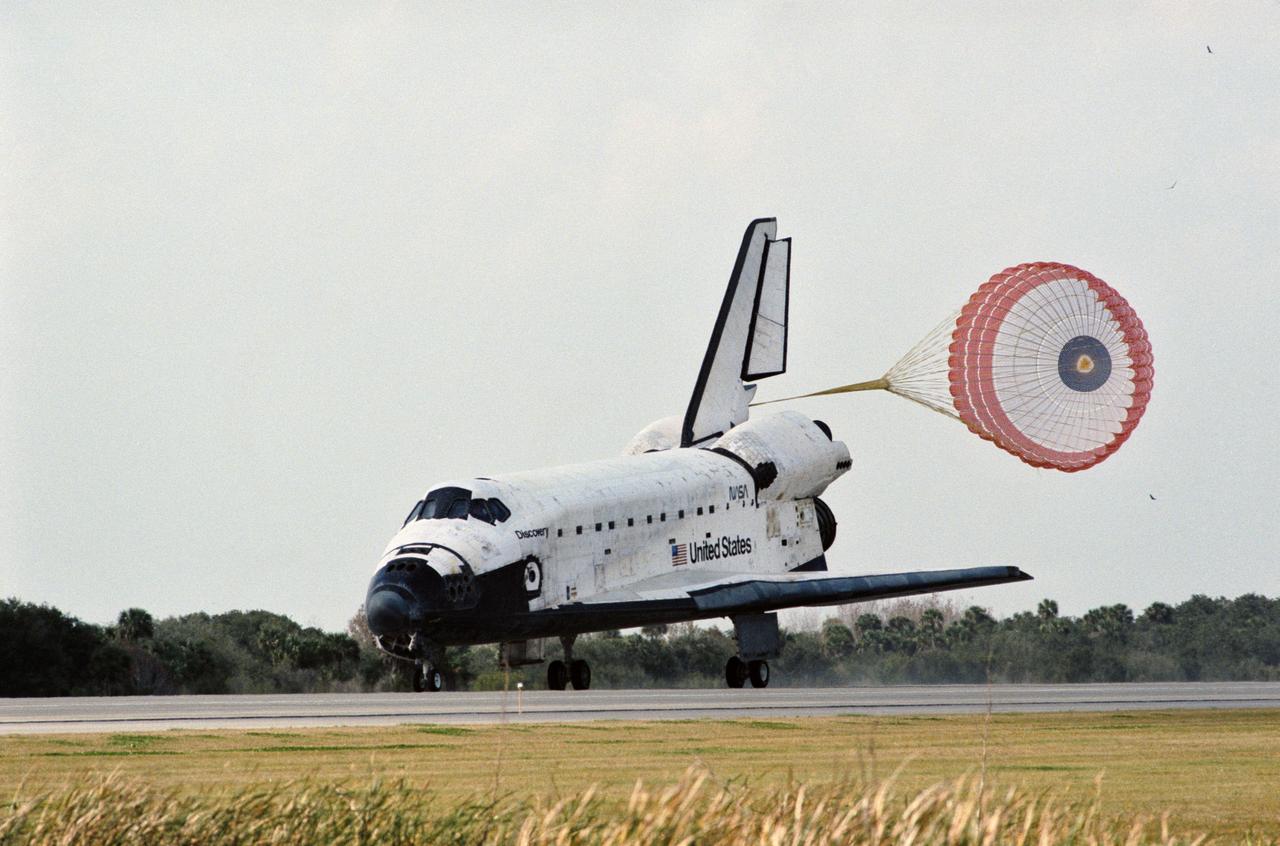
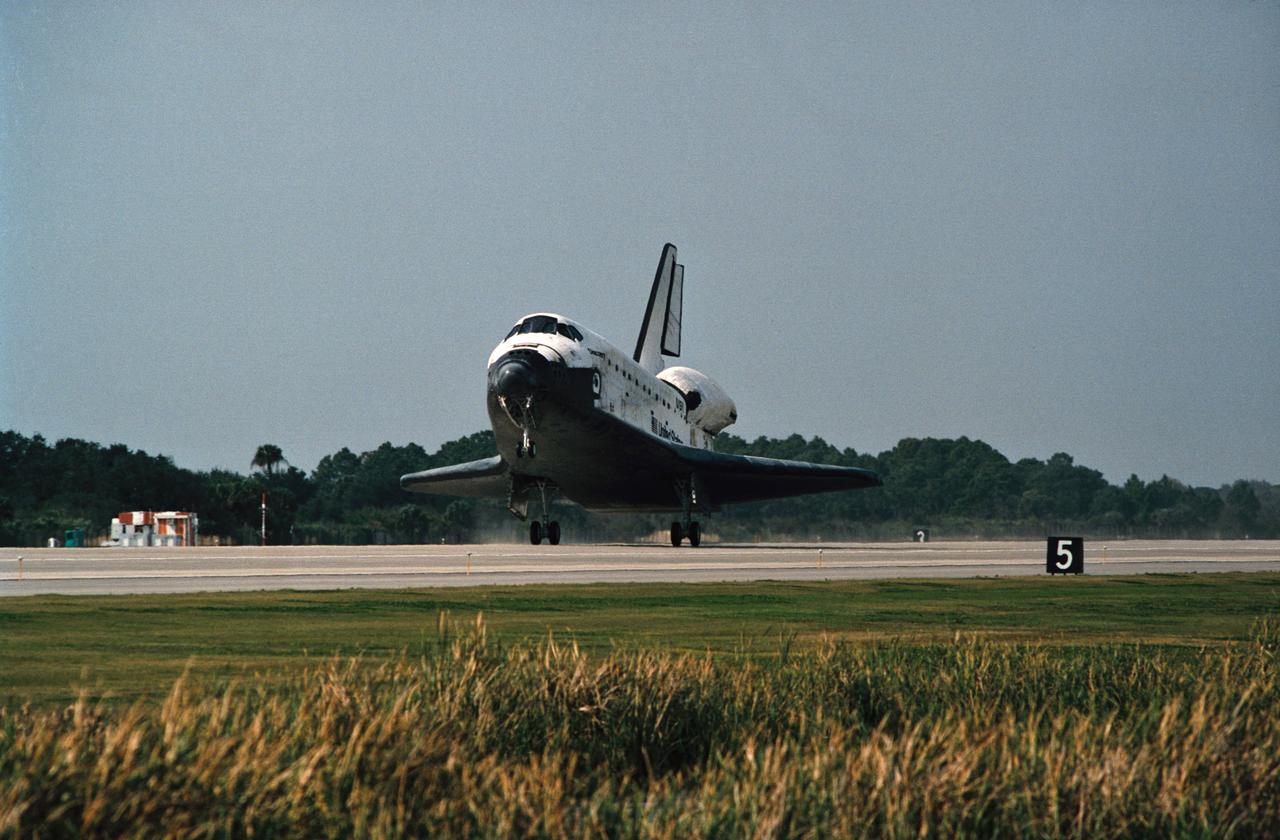
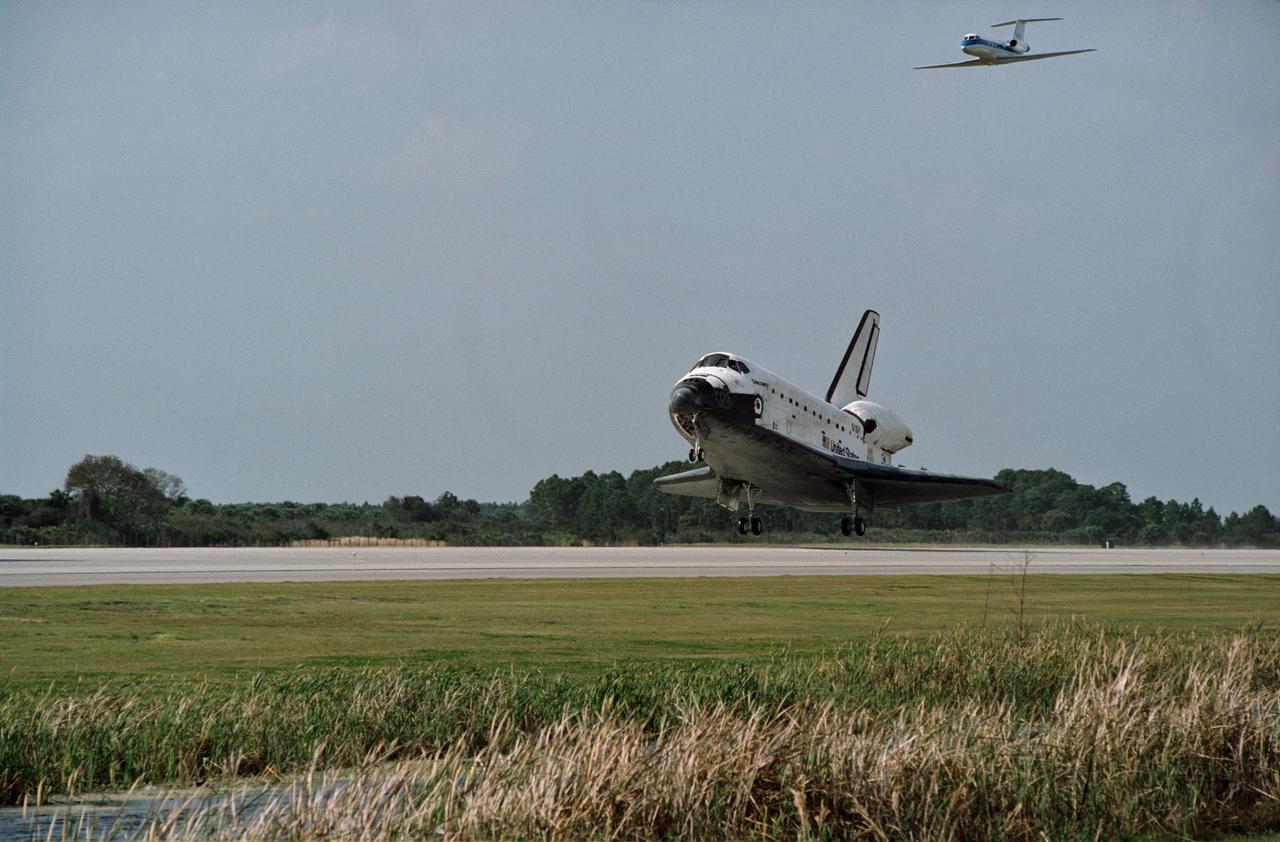
February 11, 1994 – 2:19:22 p.m. EST at Runway 15, Kennedy Space Center. Rollout distance was 7,771 feet. Rollout time was 50 seconds. Mission duration was 8 days, 7 hours, 9 minutes, 22 seconds. Landing occurred during the 130th orbit.
Mission Summary:
For the first time, a Russian cosmonaut flew aboard a U.S. space vehicle in a new era of international cooperation in space. The flight of Sergei K. Krikalev was the first element in implementing the Agreement on NASA/Russian Space Agency Cooperation in Human Space Flight.
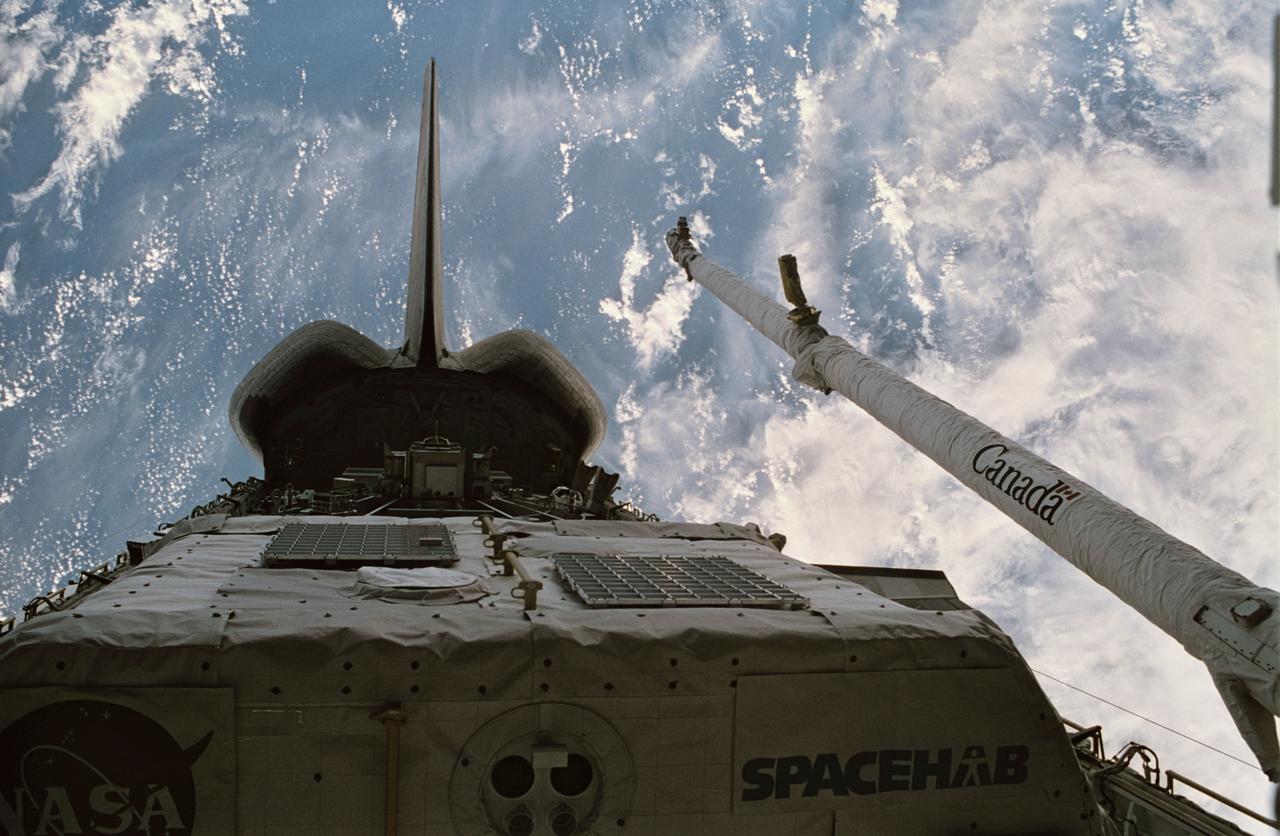
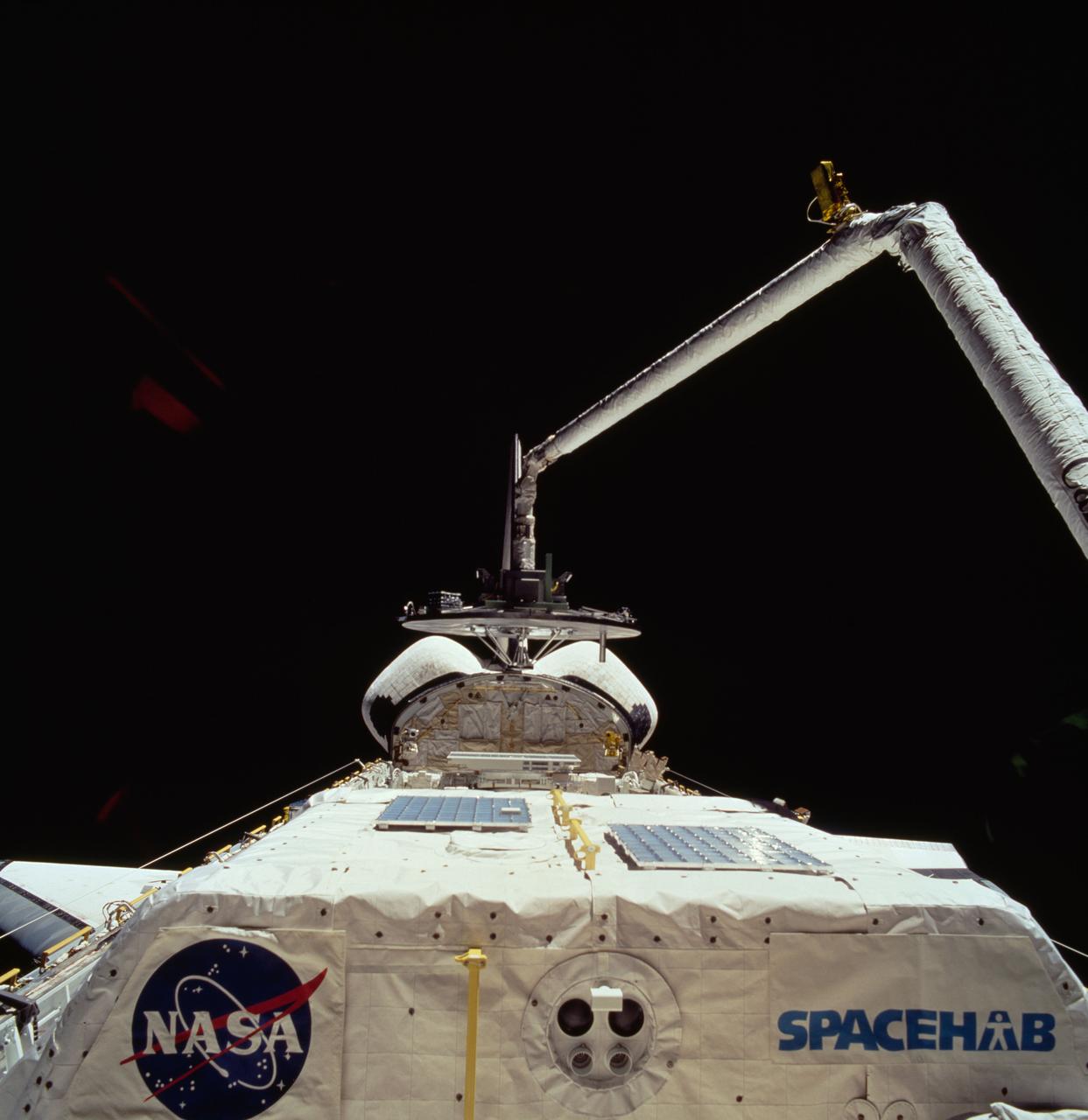
The mission featured the second flight of the SPACEHAB pressurized module (SPACEHAB-2), hosting a dozen experiments in materials science, life science and space dust collection.
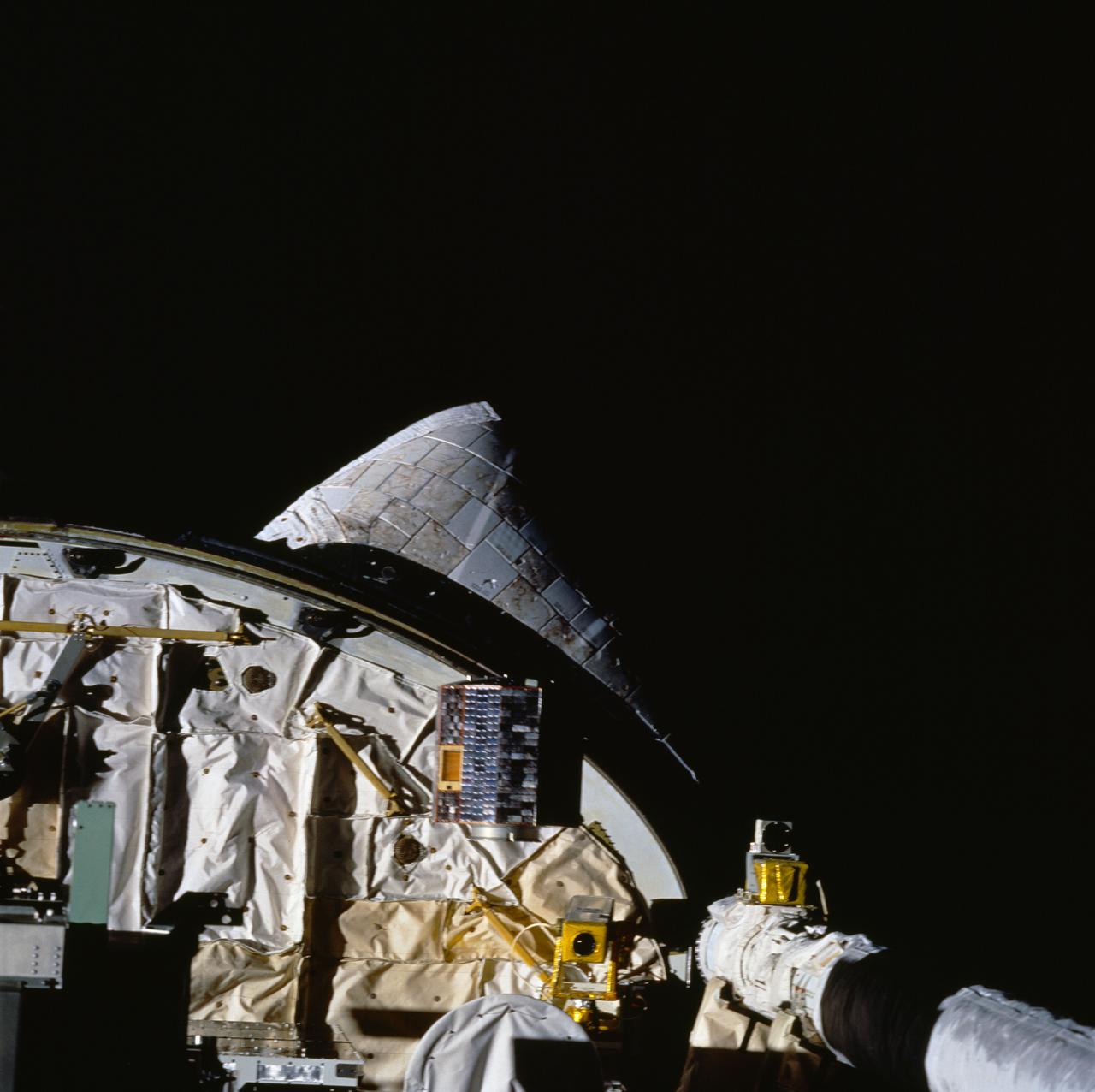
Also flown was the Wake Shield Facility-1 (WSF-1), making its first in a planned series of missions. WSF-1 is a deployable/retrievable satellite platform designed to facilitate the growth of defect-free thin-film layers of semiconductor material.
Although WSF-1 was never deployed due to technical difficulties, a total of five out of a planned seven films were grown while the craft was suspended at the end of the Shuttle’s remote manipulator arm.
The crew also conducted the first joint U.S./Russian in-flight medical and radiological investigations. Cosmonaut Krikalev communicated with amateur radio operators in Moscow as part of continuing Shuttle Amateur Radio Experiment (SAREX) operations.
Two GAS payloads were deployed. These were the Orbital Debris Radar Calibration Spheres (ODERACS), a set of six spheres ranging in size from two to six inches designed to aid calibration of world-wide radar tracking systems, and the University of Bremen’s BREMSAT, which measured conditions such as acceleration effects on satellites.
The mission had the distinction of flying the 100th GAS experiment in the Space Shuttle program. Other payloads included the Capillary Pumped Loop Experiment (CAPL), three additional GAS experiments and Auroral Photography Experiment-Phase B (APE-B).
SELECTED NASA PHOTOS FROM STS-60